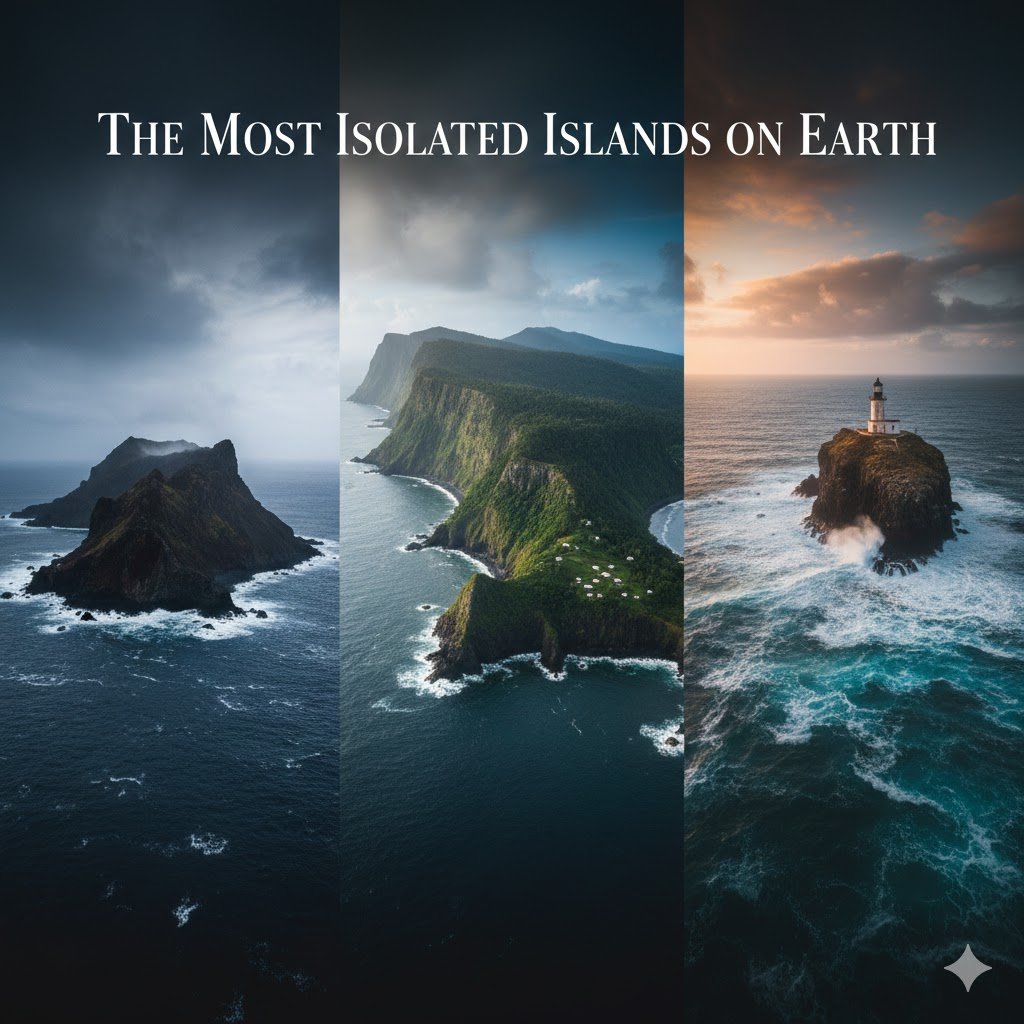
The world is full of islands, but some are so remote that reaching them feels like stepping into another world. Isolated islands often have unique ecosystems, untouched landscapes, and limited human presence, making them fascinating destinations for adventurers and nature lovers alike.
Here are some of the most isolated islands on the planet.
- Tristan da Cunha – South Atlantic
Located over 2,400 kilometers from the nearest inhabited land, Tristan da Cunha is considered the most remote inhabited island in the world. Its small population lives in a tight-knit community, relying on fishing and agriculture for survival. Visitors must plan months in advance to reach this isolated destination.
- Pitcairn Island – Pacific Ocean
Pitcairn Island is home to descendants of the Bounty mutineers. With fewer than 50 residents, it is extremely isolated, accessible only by a week-long boat journey. Its remote location has preserved traditional lifestyles and unique cultural heritage.
- Bouvet Island – South Atlantic
One of the most remote uninhabited islands on Earth, Bouvet Island is covered by glaciers and surrounded by rough seas. It is rarely visited except by scientists studying wildlife and extreme weather conditions.
- Easter Island – Pacific Ocean
Famous for its Moai statues, Easter Island lies more than 3,500 kilometers from mainland Chile. Its isolation helped preserve the mysterious stone figures and unique Polynesian culture.
- Kerguelen Islands – Indian Ocean
The Kerguelen Islands, often called the “Desolation Islands,” are largely uninhabited. Covered with volcanic mountains and harsh weather, these islands are mainly used for scientific research.
- North Sentinel Island – Bay of Bengal
Home to the uncontacted Sentinelese tribe, North Sentinel Island is strictly off-limits to outsiders. Its isolation has preserved the tribe’s traditional way of life for thousands of years.
Why Isolated Islands Are Fascinating
Isolated islands often have unique flora and fauna that evolved independently. Many are home to species found nowhere else on Earth. Their remoteness also provides a glimpse into cultures and ecosystems relatively untouched by globalization.
Challenges of Visiting
Reaching these islands requires careful planning, permits, and sometimes weeks of travel by boat or small aircraft. Extreme weather, limited facilities, and fragile ecosystems make responsible travel essential.
Conclusion
The world’s most isolated islands are testaments to nature’s resilience and the endurance of human culture in remote environments. They offer adventure, beauty, and insight into how life can adapt in extreme isolation. For those seeking solitude and discovery, these islands are among the most extraordinary destinations on Earth.