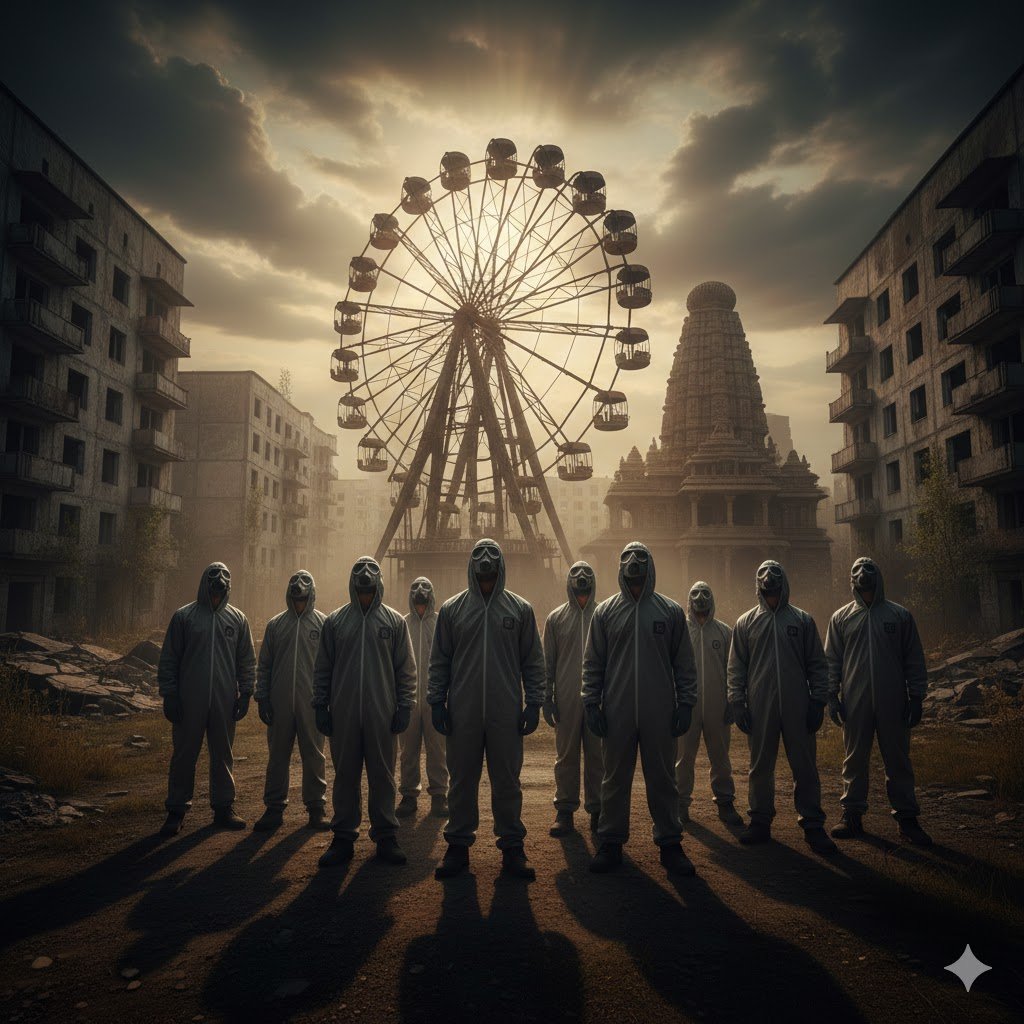
Few places in the world combine tragedy, mystery, and curiosity like Chernobyl Exclusion Zone. Once the site of one of the worst nuclear disasters in human history, Chernobyl has transformed from a forbidden region into an unusual tourist destination. Today, thousands of travelers visit the area every year, drawn by its haunting atmosphere and powerful historical significance.
The Disaster That Changed History
In April 1986, a reactor at the Chernobyl Nuclear Power Plant exploded during a safety test gone wrong. The explosion released massive amounts of radioactive material into the atmosphere, affecting large parts of Europe.
Nearby towns were quickly evacuated, including the city of Pripyat, which had been home to nearly 50,000 people. Residents were told they would return within a few days, but most never came back. Homes, schools, and personal belongings were left behind, frozen in time.
Creation of the Exclusion Zone
After the disaster, authorities established a restricted area known as the Exclusion Zone, extending roughly 30 kilometers around the reactor. The purpose was to limit human exposure to dangerous radiation levels.
For many years, entry was strictly forbidden. The area became a symbol of nuclear danger and environmental catastrophe.
How Tourism Began
In the early 2000s, controlled visits were slowly allowed under strict regulations. Scientists realized that short, carefully managed trips posed limited risk if visitors followed safety guidelines.
Tour companies began organizing educational tours, allowing people to witness the consequences of nuclear accidents firsthand. Interest grew rapidly, especially among history enthusiasts, photographers, and researchers.
What Visitors See Today
Tourists visiting Chernobyl often explore abandoned apartment buildings, empty schools, and the famous amusement park in Pripyat that was never officially opened.
Nature has slowly reclaimed the region. Trees grow through concrete streets, and wildlife has returned in surprising numbers. Wolves, deer, and birds now roam areas once filled with human activity, showing how ecosystems can recover when human presence disappears.
Ethical Debate Around Dark Tourism
Chernobyl tourism has sparked debate worldwide. Some people believe visiting the site helps educate the public about nuclear safety and environmental responsibility. Others argue that taking photos in a disaster zone may disrespect those who suffered.
Responsible tourism companies emphasize learning and remembrance rather than entertainment. Guides often share personal stories of evacuees and explain the long-term consequences of radiation exposure.
Is It Safe to Visit?
Radiation levels vary across the Exclusion Zone. However, approved tour routes are carefully monitored, and exposure during a single visit is typically lower than that received during a long airplane flight.
Visitors must follow strict rules, including staying on designated paths, avoiding contact with objects, and undergoing radiation checks when leaving the area.
The Role of Media and Popular Culture
Interest in Chernobyl increased dramatically after documentaries and television series highlighted the disaster’s human and political impact. These productions introduced a new generation to the story, increasing global curiosity about the location.
As a result, tourism numbers rose significantly, turning Chernobyl into one of the most unusual travel destinations in the world.
Lessons from Chernobyl
Beyond curiosity and exploration, Chernobyl serves as a powerful warning about technological risk and human error. The disaster changed international nuclear safety standards and reshaped global discussions about energy production.
Visiting the site often leaves travelers with a deeper understanding of how fragile modern systems can be.
Conclusion
Chernobyl tourism represents a complex mix of remembrance, education, and curiosity. The silent buildings and empty streets remind visitors of a moment when history changed forever.
Rather than simply a destination, Chernobyl stands as a lesson — showing both the destructive power of technology and the resilience of nature over time.